

We all think we’re being efficient in our daily energy use, but are we really?
If you asked a group of people ‘what’s the most efficient way to boil a kettle’, we’d probably get a load of different answers. Is it with solar power because it’s a renewable energy source? On the cook top using gas, because it’s often sold at a cheaper rate per unit? Electricity from the grid – as plugin appliances are now modern wonders which work very efficiently – in most cases.
There’s no definite perfect answer without getting into the science but lets take a closer look at energy as it affects every person on this planet, and here in Australia we like to be able to switch it on and switch it off as we please.
I am blessed to live on the North Coast of NSW where I am surrounded by a very green environment, both politically and literally. It is the rolling green hills and the pristine beaches here that the early hippie’s flocked to this area embracing a love of the earth and a drive to save the planet by living “green”. Today the sea changer’s and tree changer’s from the city ( that’s me) are just as attracted by the same purity and beauty of the area and as locals are aiming to live in a more sustainable way to protect this environment. Every home and business everywhere has different opportunities to consider their energy use and how to be more energy efficient.
Talking energy with Origin
I recently met up with the folks at Origin, who are passionate about making renewable energy sources such as solar power more accessible to Australians.
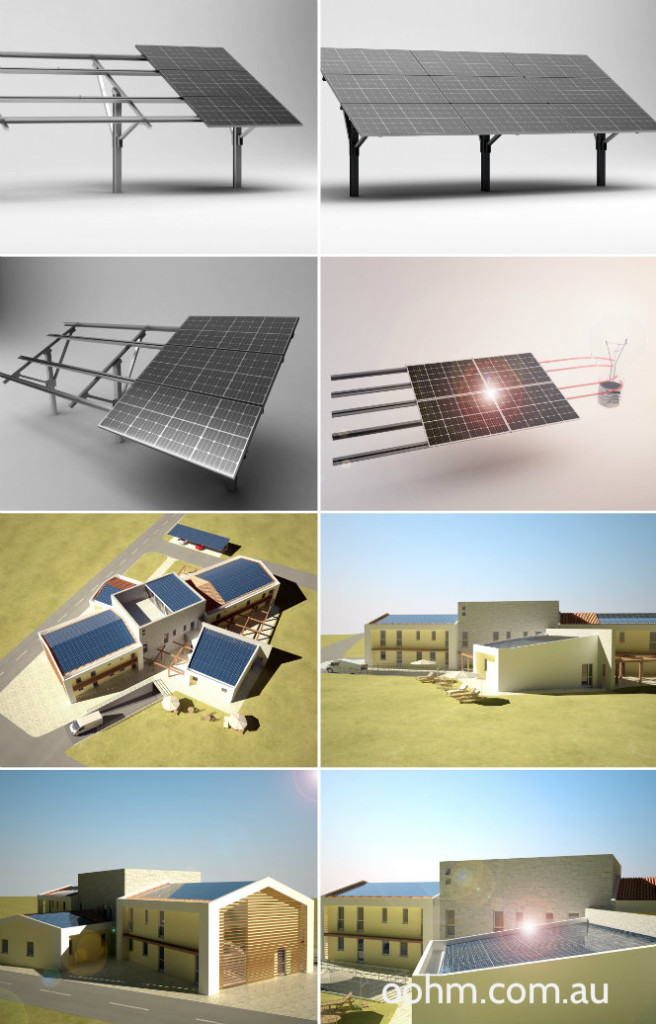
Did you know that Origin has installed thousands of photovoltaic solar panels on homes, industrial and high-rise buildings in an effort to increase the use of a renewable and cost effective energy source – the sun.
We can all make a difference in our own way, turning off appliances at the plug socket, using energy efficient light bulbs, and keeping the cooling and heating to a minimum. Small things which can make a difference. Sometimes bigger changes can require a lifestyle change or thinking outside the box like Origin buddies Ray and Evon who have not only reduced their carbon footprint but are having some fun at the same time. While powering your campervan on the road as they have may not be an actual reality for many, it’s a fun way to consider how solar can be brought into our lives. Take a look how they save dollars while travelling around Australia. They love solar energy!
Living in this North Coast community I am conscious about treading lightly on the earth, but even country bumpkins don’t want to live without all the electrical mod cons. While I do the common things like turning off lights and reducing my energy usage where I can and my recent visit to an Origin event in Melbourne made me realize I had a number of misconceived ideas about energy supply – how it is supplied, what we use it for and how it effects the environment.
In Australia 73% of our energy supply is created by burning coal. This is because it is often the most affordable method of energy for us to buy, and we all want low bills as well as reliable power.
Coal does have an environmental cost though, as it produces higher carbon emissions when compared to a renewable such as solar. On top of coal, natural gas and renewables – such as hydropower, wind and solar energy make up the remainder. There’s a useful article on the Origin Blog about weighing up our energy options.
There are positives and negatives to all energy sources, some more renewable sources are less reliable than we’d like, some are more expensive and some cost effective, reliable options are worse for the environment. Finding the best balance and developing new energy resources is a hot topic being debated around the world. Here in Australia, Origin is playing their part in that, and is constantly working to find reliable sources for us.
Of course here in Australia we have a great resource in the sun, and Origin Energy are evolving their solar offering to make solar systems more accessible to everyone as well as working in partnerships with some leading battery manufacturers so they can start to offer new innovations like battery storage units that will make it easier for solar power users to collect and store the electricity generated by solar.
At the event I discovered that solar is not quite as simple as sticking a set of photovoltaic panels on your roof and living off their power. There a many things that need to be considered to optimise your electrical supply and usage including:
Solar is not is not a one size fits all situation and what’s good for the Joneses may not suit you, so learn about solar here:
Over the next few weeks I will uncover the best ways of being energy efficient and take a look at where renewable energy supply is heading.
We are very fortunate in Australia; we have a sophisticated energy system that is not only safe but far more reliable than many other countries systems.
Australians are big consumers of energy using around 550,000 Megawatt hours of electricity per day (or in my terms that’s 36 billion cups of tea a year) in homes and businesses, according to the Origin website.
Most households use electricity for everyday tasks, a breakdown of the average Aussie homes use looks like this :
40% for heating or cooling
21% water heating
33% appliances ( fridges, t.v., cooking etc)
6% lighting
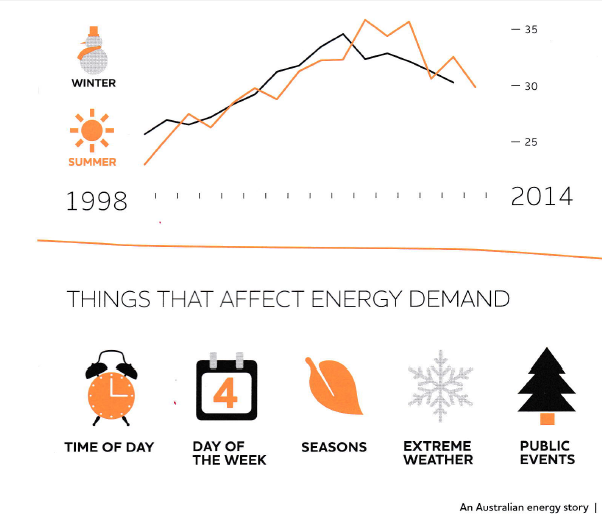
Just imagine how our world would grind to a halt without electricity.
Knowing your power bill
I have experienced firsthand just how small changes can make a huge difference to a power bill.
I recently received my Winter electricity bill – $1170. That is almost double what I have previously paid for the same time of year. Then I had a light bulb moment ( excuse the pun ) as to why this happened. We moved 8 months ago from a home that we had renovated into an unrenovated cottage. I know from speaking to friends that our electricity bills were low in the renovated home ( $450/ quarter $650/quarter in Winter) and I put this down to a few key factors:
- We installed insulation in the walls and ceiling
- We put solar panels on our roof for hot water
- We replaced all the halogen light bulbs with LED energy efficient light bulbs
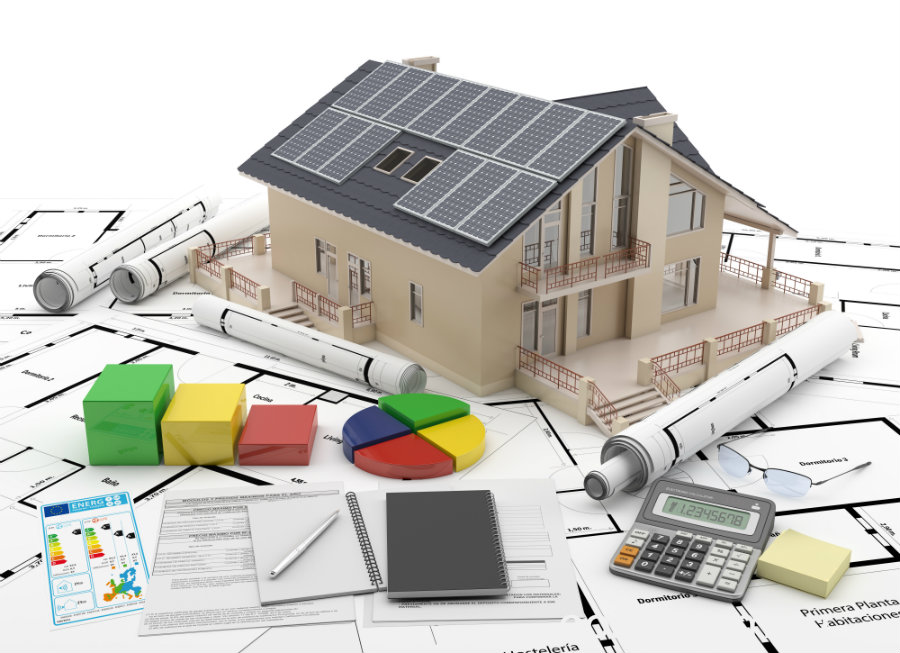
We will implement all of these things into our current home renovation as more and more buyers are looking for energy efficient homes. It is more difficult to make an existing home energy efficient, but by just making a few energy efficient changes you can definitely save a lot of money long term and reduce your carbon footprint.
The bottom line is we all want an electricity supply that is reliable, kind to the environment, and doesn’t cost the earth. For more tips on energy efficiency let the experts guide you :
Our future energy supply will look very different to that of the past and I can’t wait to share with you over the next few weeks some of the new ways that will make that change happen…
This post is Sponsored by Origin